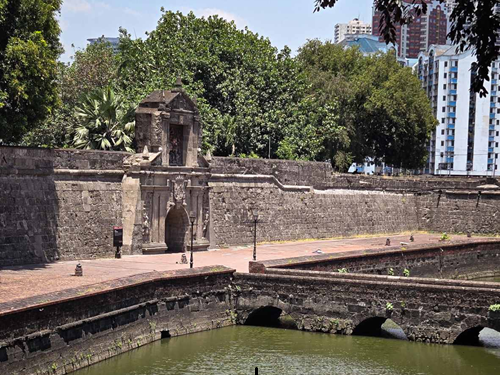
Poók Tipunan: The Walled City as a third place
A genuine third place requires an "ethic of care," a commitment to providing comfort or ginhawa through better shade, more inclusive public seating, and a more robust integration of the community that actually lives within the walls. In its maiden article in the blog series, "Poók Tipunan," we examine Intramuros, the Walled City, as a third space that invites the pedestrian to linger and connect through accessibility, walkability, and aesthetics.
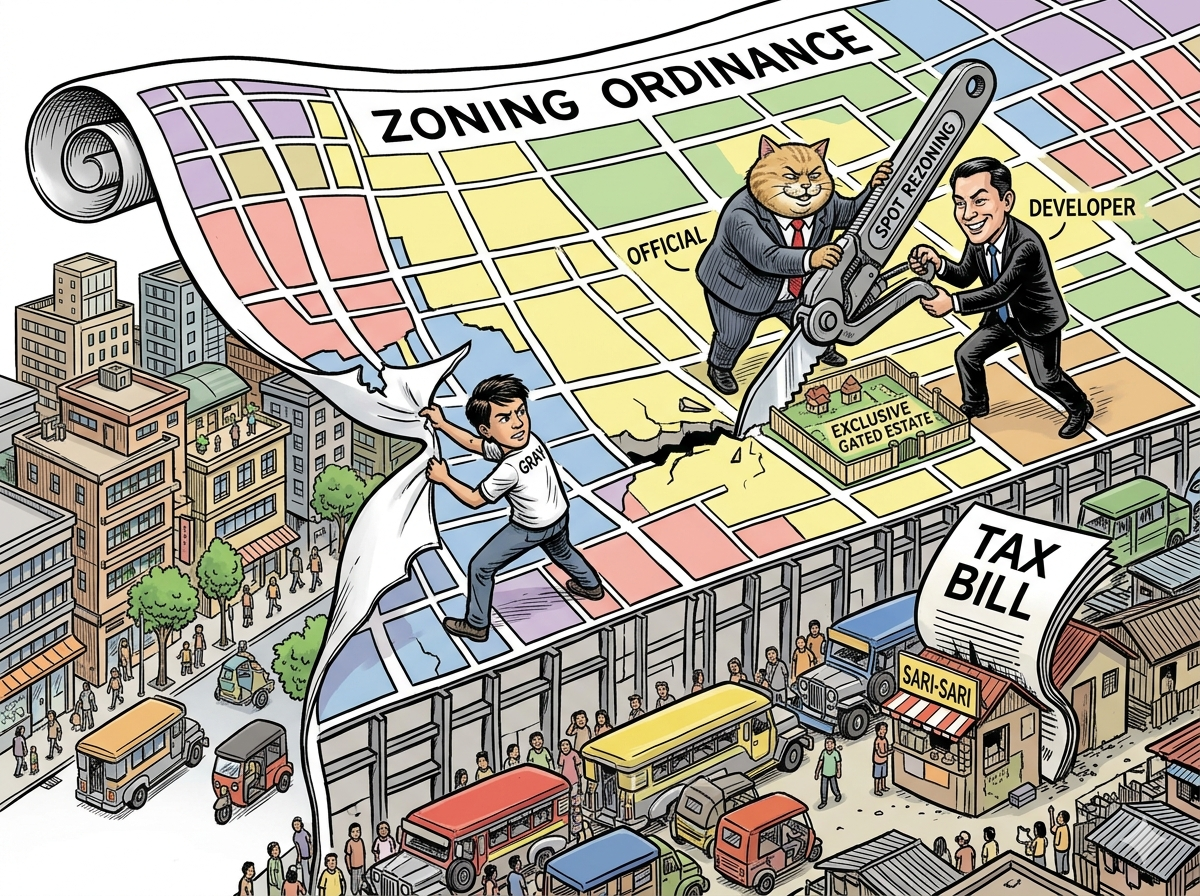
Rethinking Philippine urbanism through Nolan Gray’s "Arbitrary Lines"
While the CLUP is intended to be a visionary document, it is frequently reduced to its zoning component: a static, color-coded map attached to the local ordinance that attempts to freeze a city in time. This approach treats the city like a machine with fixed parts rather than a living, breathing organism. When we prioritize the rigid boundaries of a zone over the actual needs of the people, we end up with "arbitrary lines" that ignore how cities actually grow.
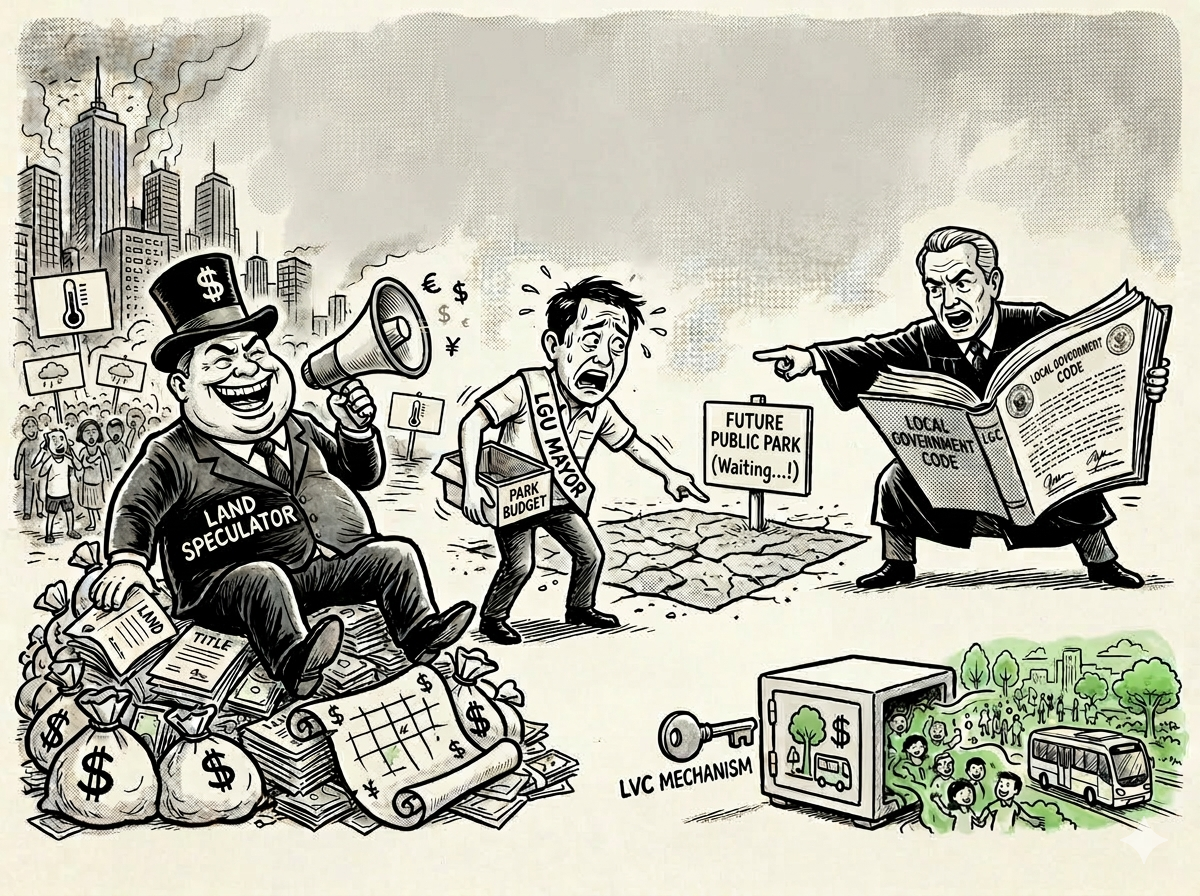
Public risk, private profit: Unearned increment and land value capture
When an LGU signals where a new highway will run, where a government center will rise, or where a commercial hub will be zoned, speculators move with predatory speed. They engage in "land banking" by purchasing vast tracts of peripheral land at current prices and simply holding them. They do not build; they do not improve; they do not create jobs. They wait for the public to do the work. This is the central irony of urban planning: the very transparency meant to foster orderly growth is the same tool used by private interests to make that growth unaffordable for the public.
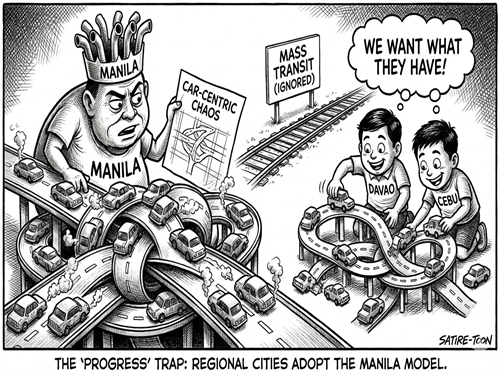
Learning from Metro Manila: How emerging metros risk repeating old planning failures (and how to avoid them)
In the Philippines, development is now pulling away from saturated Metro Manila and toward regional hubs like Metro Cebu, Metro Davao, and Metro Cagayan de Oro. While this "next-wave" growth is vital for national resilience, there is a growing concern that these emerging metropolises are speed-running the same structural mistakes that turned Metro Manila into a cautionary tale.

Commons in the City
Opening a golf course once a week will not fix Metro Manila. Neither will turning every mall into a park. But these moments widen the imagination. They remind us that exclusivity is not an economic law. That order does not require walls. That public space is not the enemy of progress, but one of its foundations.
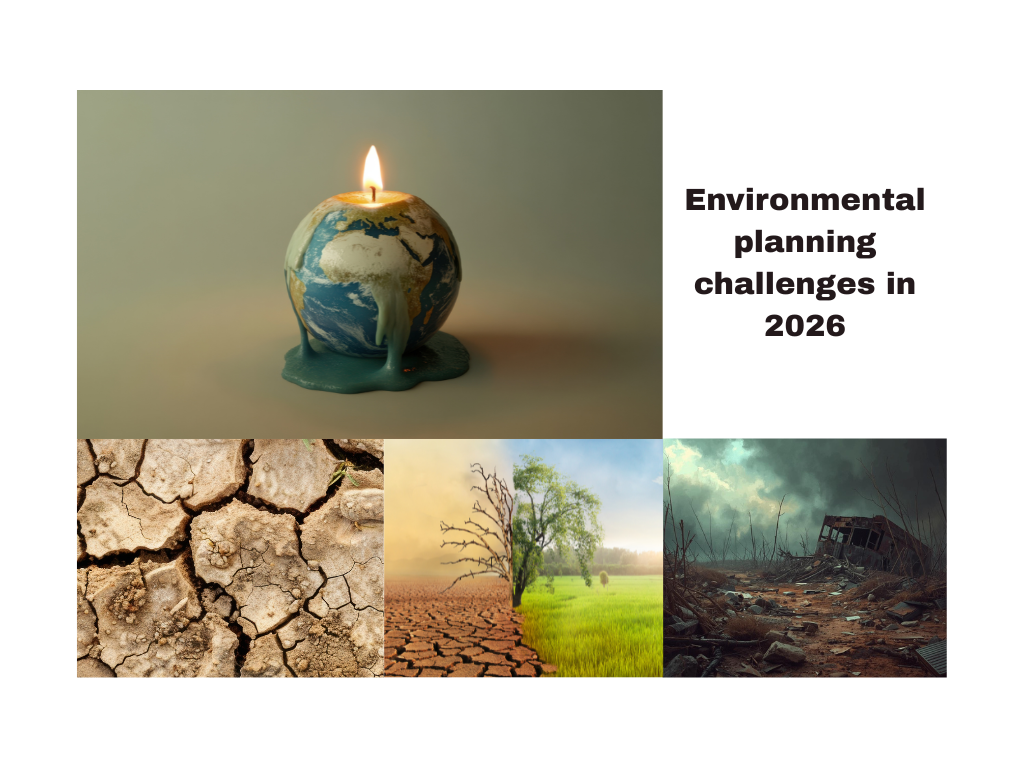
Top five environmental planning challenges in 2026
Drawing on recent data and trends, here are the top five pressing environmental planning challenges we face in 2026 and how environmental planners, policymakers, and communities should prepare.